Embarking on a journey toward a total body transformation can feel like a massive undertaking. One of the biggest roadblocks people face right at the start is deciding where that transformation should take place. You might find yourself caught in the classic dilemma: Do I need to buy an expensive gym membership, or can I actually get dramatic results from the comfort of my own living room?
The short answer is that both environments are highly effective if you understand how to stimulate your muscles properly. Your body doesn’t recognize whether you are standing in a crowded, high-tech commercial fitness center or on your bedroom rug. It only recognizes mechanical tension and metabolic stress.
To achieve a true physical overhaul, you must target every major muscle group using functional, multi-joint movements. By identifying and mastering the absolute best full-body exercises for both environments, you can build a flexible, unshakeable routine that delivers a leaner, stronger, and more athletic physique.
The Foundation of a Total Body Transformation
Before diving into specific movements, it is vital to understand the underlying blueprint of structural physical change. You cannot transform your body by performing random, low-intensity exercises without a clear plan.
The Role of Multi-Joint Movements
A successful full-body routine relies heavily on compound movements. These are exercises that require multiple joints to move at once, which automatically forces separate muscle groups to cooperate. By utilizing compound movements instead of isolation exercises (like bicep curls or calf raises), you maximize your total energy expenditure, burn significantly more calories per minute, and trigger a powerful systemic response that accelerates muscle development and fat loss simultaneously.
The Principle of Progressive Overload
To force your body to rebuild itself stronger and leaner, you must continually challenge it. In a commercial fitness facility, this is incredibly straightforward: you simply add more weight to the machine or the barbell over time. When training at home with limited equipment, you achieve this by manipulating other training variables. This includes increasing your total repetitions, shortening your rest periods between sets, slowing down your movement speed to maximize time under tension, or progressing to more mechanically difficult variations of an exercise.
Elite Gym Exercises for Complete Physical Change
The primary benefit of a commercial facility is access to heavy, adjustable external loads. This specialized equipment allows you to load your skeletal system and muscle tissues safely to maximize strength and muscle hypertrophy (growth).
The Barbell Back Squat
Often called the king of all exercises, the barbell back squat is an absolute necessity for lower body development and core stabilization. Placing a barbell across your upper back and lowering your hips forces your quadriceps, glutes, hamstrings, and spinal erectors to bear a massive workload. It builds foundational lower-body power while burning an incredible amount of metabolic energy.
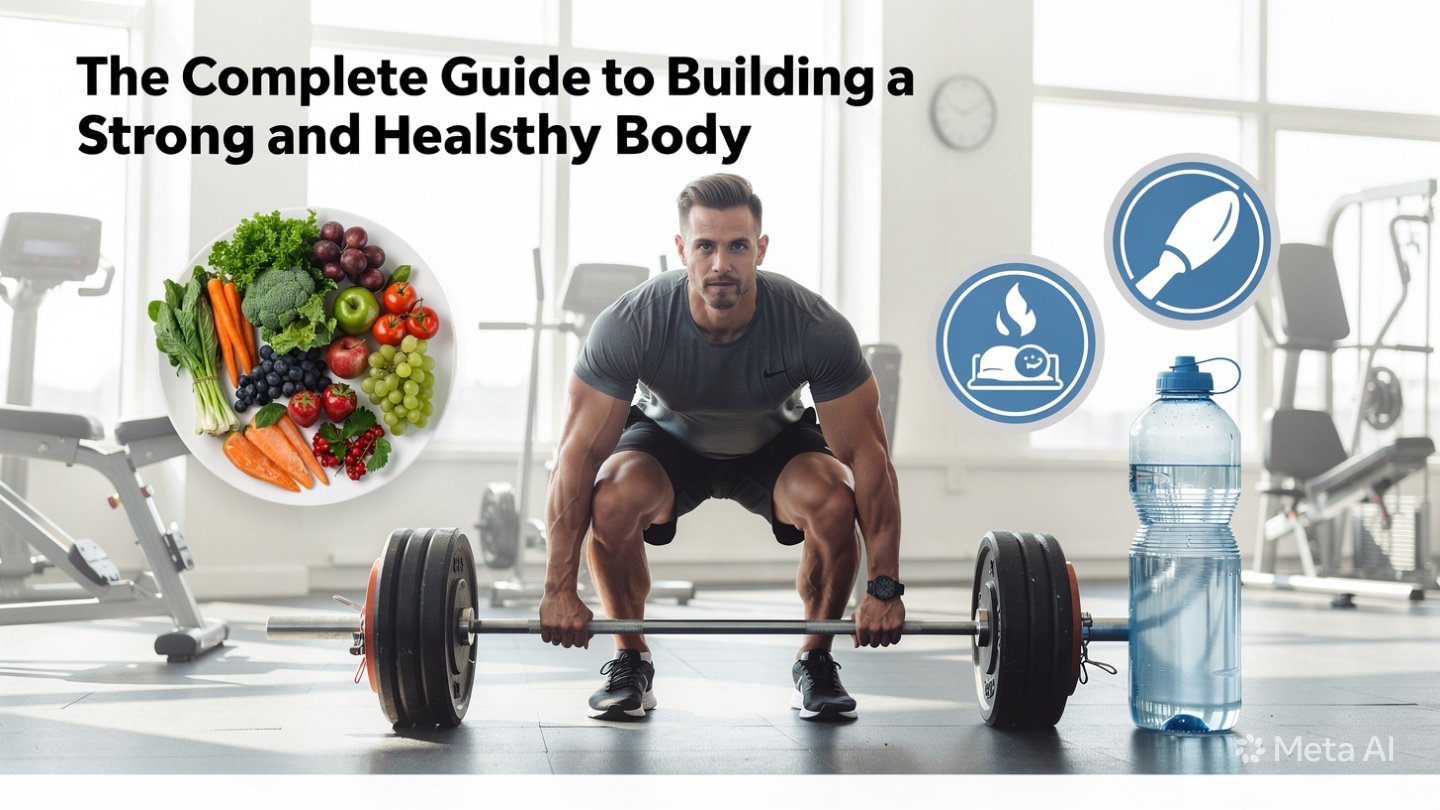
The Conventional Barbell Deadlift
The deadlift is the ultimate test of raw, functional structural strength. Moving a loaded barbell from a dead stop on the floor up to your hips recruits virtually every single muscle from your calves up to your upper traps. It heavily targets your posterior chain—specifically your glutes, hamstrings, and lower back—which improves your posture, builds dense muscle, and bulletproofs your body against injuries.
The Flat Barbell Bench Press
To develop a strong, powerful upper body pushing architecture, the flat bench press is the premier choice. This horizontal pressing movement heavily taxes your pectoralis major (chest), anterior deltoids (front shoulders), and triceps. Performing this lift with a barbell or heavy dumbbells allows you to apply maximum mechanical tension to the upper torso.
The Traditional Pull-Up or Lat Pulldown
A complete transformation requires building a strong, wide back to create a balanced, athletic silhouette. Pull-ups and lat pulldowns utilize a vertical pulling motion that directly targets the latissimus dorsi (the large muscles of your back) along with your rhomboids, rear deltoids, and biceps. If you cannot perform a standard bodyweight pull-up yet, commercial gyms offer assisted pull-up machines or cable lat pulldown stations to let you build your baseline strength progressively.
The Standing Overhead Barbell Press
To round out your upper body development, you must press vertically. The standing overhead press requires you to push a barbell from your upper chest directly overhead until your elbows lock out. This exercise builds broad, stable shoulders and dense triceps while forcing your core and glutes to contract violently to keep your balance.
Powerful Home Exercises for Maximum Results
You do not need rows of heavy iron to build an impressive physique. By utilizing your own body weight as resistance and adjusting your body positioning, you can create an immense amount of muscular tension right at home.
The Deficit or Tempos Push-Up
The standard push-up is a phenomenal horizontal pressing movement for the chest, shoulders, and triceps. However, to truly transform your upper body at home, you need to make it more challenging. You can perform deficit push-ups by placing your hands on two thick books or sturdy blocks to allow your chest to sink lower than your hands, creating a deep stretch in the pectoral muscles. Alternatively, use a slow tempo—lower your body over a strict 4-second count before exploding upward.
The Bodyweight Bulgarian Split Squat
This single-leg exercise is arguably more brutal than many gym-based leg machines. By placing one foot behind you on a couch, chair, or bed, you shift the vast majority of your body weight onto your front leg. Squatting down until your back knee nearly touches the floor places an isolated, intense load on your quadriceps and glutes while rapidly improving your balance and hip mobility.
The Doorframe or Sheet Inverted Row
The biggest challenge of home workouts is finding a way to execute a pulling movement to target the back muscles. An excellent solution is the inverted row. You can perform this by gripping a sturdy table edge while lying underneath it and pulling your chest up toward the tabletop. Alternatively, you can tie a knot in two bedsheets, anchor them firmly over the top of a closed door, and lean back to row your body weight upward using your lats and biceps.
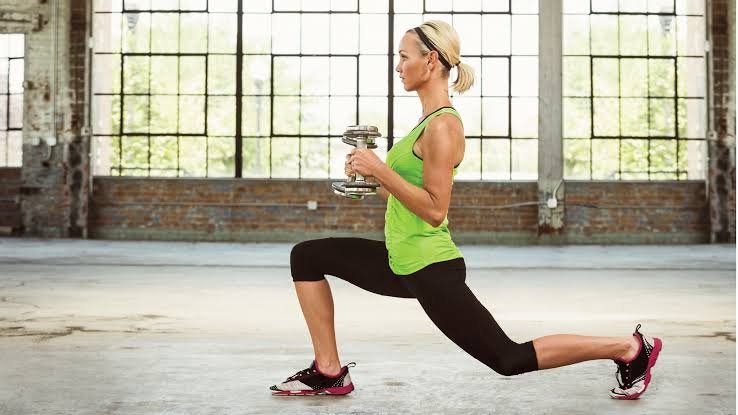
The Walking Lunge
Walking lunges are a dynamic, functional movement that builds lower body endurance, burns fat rapidly, and shapes the glutes and hamstrings. Stepping forward and dropping your hips down forces your legs to stabilize your entire body dynamically. To increase the difficulty at home, you can simply fill a standard backpack with heavy books, strap it securely to your chest or back, and complete your walking sets.
The Bodyweight Pike Push-Up
If you want to build strong shoulders at home without dumbbells, the pike push-up is your best option. By placing your hands on the floor and walking your feet forward until your hips are high in the air—forming an inverted “V” shape—you alter the mechanical angle of the press. Lowering the top of your head toward the floor targets your deltoids and triceps in a vertical plane, mimicking the mechanics of an overhead gym press.
Designing a Hybrid Transformation Program
To get the absolute most out of these movements, you can structure them into a balanced routine. If you choose a hybrid approach, you can combine the raw loading capacity of the gym with the sheer convenience of home sessions to ensure you never miss a workout.
Structuring a Full-Body Training Split
Rather than training a single body part per day, scientific data supports hitting every major muscle group 2 to 3 times per week. A simple three-day routine spaced out across alternating days (such as Monday, Wednesday, and Friday) works incredibly well for consistency and muscle recovery.
| Training Day | Primary Exercise Focus | Recommended Location |
| Monday | Heavy Compound Lifts (Squats, Bench Press, Rows) | Commercial Gym |
| Wednesday | Bodyweight Unilateral & Tempo Lifts (Split Squats, Push-Ups) | Home Workout |
| Friday | Posterior Chain & Overhead Work (Deadlifts, Overhead Press, Pull-Ups) | Commercial Gym |
Managing Recovery for Consistent Growth
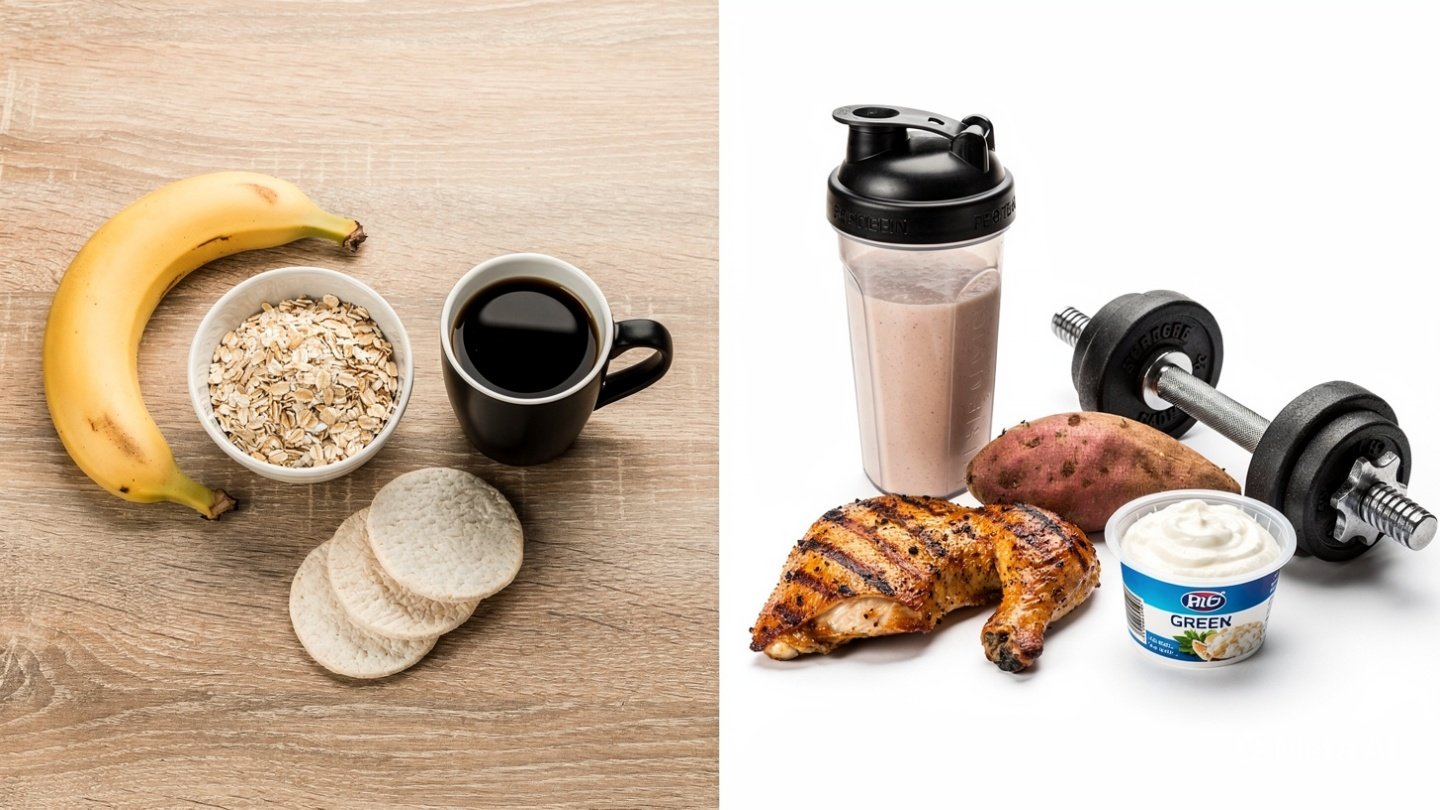
Keep in mind that your muscles do not grow while you are actively working out; they grow when you are resting and feeding them high-quality nutrition. Ensure you are drinking plenty of water, getting at least seven to eight hours of deep sleep per night, and consuming adequate protein to repair the microscopic muscle tissue breakdown caused by your sessions.
Whether you decide to lift heavy iron at the gym or master your own body weight in your living room, your long-term physical transformation will always be a direct reflection of your effort, correct technique, and unwavering weekly consistency.