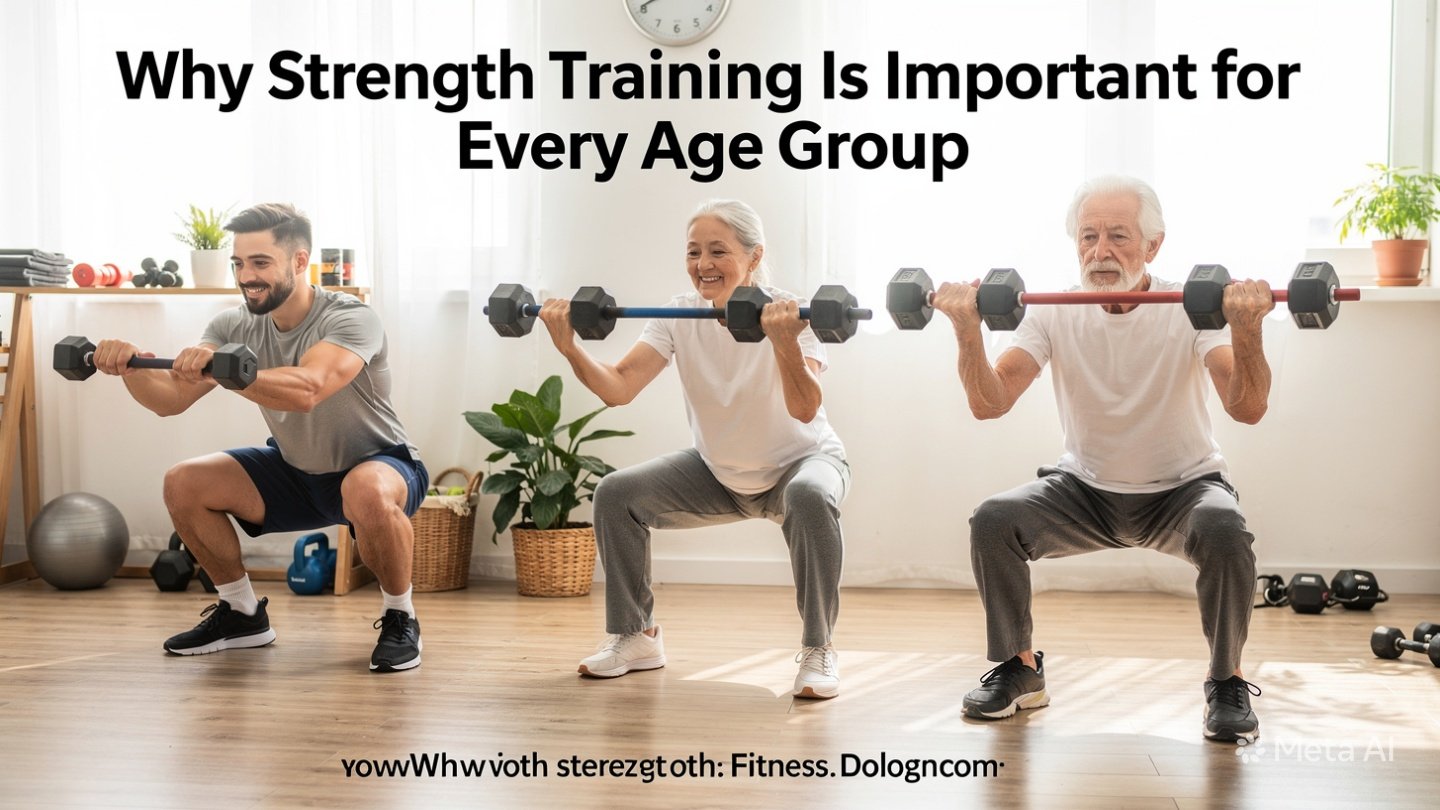
For decades, a stubborn myth persisted in the fitness world: that lifting weights was a pursuit reserved exclusively for young athletes, bodybuilders, and fitness enthusiasts. If you weren’t looking to build massive muscles, conventional wisdom suggested you stick to jogging, cycling, or traditional aerobics.
Today, sports science has completely rewritten that narrative. Resistance training—whether using heavy iron, resistance bands, or your own body weight—is now recognized as a foundational pillar of lifelong health, vitality, and longevity.
Your physical body is incredibly adaptable, but it operates on a strict “use it or lose it” policy. No matter your current age, your muscles, bones, and joints require consistent mechanical stress to stay strong, functional, and resilient against chronic diseases. From energetic teenagers to golden-age seniors, embracing the power of resistance training is the ultimate way to safeguard your long-term physical independence.
Building a Foundation: Youth and Adolescence
The idea that lifting weights stunts growth in children and teenagers is a completely debunked piece of misinformation. When supervised properly by a coach or parent, resistance training provides young bodies with an unmatched physical blueprint.
Enhancing Motor Skills and Athletic Performance
During childhood and adolescence, the central nervous system undergoes rapid development. Engaging in light, structured weight training teaches the brain to communicate more efficiently with muscle fibers. This improves spatial awareness, balance, agility, and overall coordination, giving young individuals a massive head start in competitive sports and daily recreational activities.
Strengthening Bone Mineral Density
The bone mass you accumulate during your youth sets the baseline structural foundation for the rest of your life. Resistance training pulls mechanically on the skeletal structure, which stimulates osteoblasts—the specialized cells responsible for laying down new bone tissue. Building dense, sturdy bones during these formative years acts as an insurance policy against fractures and bone thinning decades down the road.
Maximizing the Peak Years: Young Adults
During your twenties and thirties, your body is at its peak biological potential for building lean muscle tissue, developing raw power, and recovering from physical stress.
Driving Metabolic Rate and Fat Loss
While cardiovascular exercise burns calories while you are actively moving, strength training completely revamps your resting metabolism. Muscle tissue is incredibly metabolically active; it requires a massive amount of energy just to exist. By building lean muscle mass, you increase your basal metabolic rate (BMR), meaning your body naturally burns more calories around the clock, even when you are sitting at a desk or sleeping.
Mitigating the Cognitive Toll of Modern Stress
Young adulthood is often defined by career pressures, financial milestones, and intense daily stress. Lifting weights serves as a powerful, natural antidepressant. Regular resistance training triggers a substantial release of endorphins and brain-derived neurotrophic factor (BDNF). This chemical surge dramatically lowers chronic cortisol levels, alleviates daily anxiety, and improves overall sleep quality.
Defending Against Decline: Mid-Life and Beyond
As people cross into their forties and fifties, subtle biological changes begin to surface. Metabolism starts to shift downward, and desk jobs can lead to poor posture and chronic joint discomfort.
Combating Age-Related Muscle Atrophy
Starting around age thirty, adults who do not engage in regular strength training begin to lose roughly 3% to 5% of their total muscle mass per decade—a medical condition known as sarcopenia. Sarcopenia slowly saps physical strength and lowers your metabolic rate. Consistent resistance training stops this downward slide in its tracks, allowing middle-aged adults to maintain their youthful strength, vigor, and physical capabilities.
Protecting Vulnerable Joints and Stabilizing Posture
Decades of sitting or repetitive movements frequently result in lower back pain, tight hips, and weak knees. Strength training builds the supporting muscular architecture around your joints. Strengthening your core, glutes, and upper back pulls your skeletal frame back into optimal alignment, relieving pressure on your spine and dramatically reducing the aches and pains associated with aging.
Preserving Independence: Older Adults and Seniors
For individuals in their sixties, seventies, and beyond, strength training is no longer about aesthetics—it is about preserving personal freedom and quality of life.
Drastically Reducing the Risk of Serious Falls
Falls are a leading cause of accidental injury and a loss of independence among older populations. A lack of lower-body strength and diminished balance are the primary culprits. By focusing on functional movements that strengthen the legs, hips, and core, seniors can dramatically improve their dynamic balance and spatial stability, allowing them to navigate their environments with total confidence.
Reversing the Effects of Severe Bone Thinning
For post-menopausal women and older men, osteoporosis (brittle bone disease) poses a major health risk. Fortunately, your bones never lose their ability to adapt to physical stress. Lifting weights forces the skeletal structure to retain its density, significantly decreasing the likelihood of experiencing a debilitating hip or wrist fracture from a minor slip.
Actionable Strategy: A Lifelong Training Guide
Starting a strength training routine doesn’t mean you need to jump straight into heavy powerlifting. The key is to match your training intensity and style to your specific stage of life.
- Ages 12 to 18 (The Learning Stage): Focus heavily on bodyweight exercises (push-ups, pull-ups, planks) and mastering correct movement form with light dumbbells or medicine balls.
- Ages 19 to 39 (The Building Stage): Utilize heavy, multi-joint compound exercises (barbell squats, deadlifts, overhead presses) 3 to 4 times a week to maximize structural strength and muscle mass.
- Ages 40 to 59 (The Maintenance Stage): Combine a mix of free weights, cable machines, and targeted mobility work to sustain muscle tissue, keep body fat low, and protect joint health.
- Ages 60+ (The Longevity Stage): Focus on functional resistance training using machine-based movements, resistance bands, and single-leg stability exercises 2 to 3 times a week to safeguard balance and bone density.
Ultimately, your body is an incredibly resilient machine designed to move, lift, and carry weight. By incorporating consistent resistance training into your lifestyle, you aren’t just adding years to your life—you are adding high-quality, vibrant, and independent life to your years.