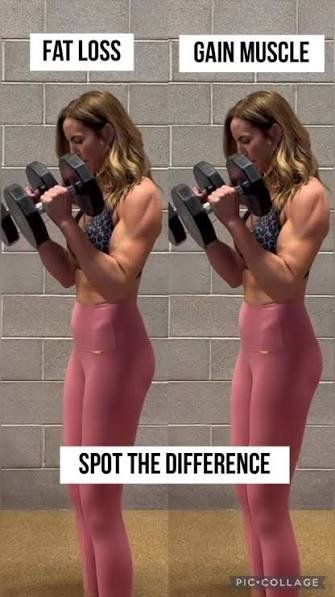
When starting a fitness journey, one of the first questions people ask is, “Should I focus on gaining muscle or losing fat?” Both goals can improve your health, boost confidence, and transform your body, but choosing the right one depends on your current fitness level, body composition, and long-term objectives.
Many beginners try to do both at the same time and end up frustrated because they don’t see quick results. Understanding the difference between muscle gain and fat loss can help you create a smarter fitness plan and achieve better outcomes.
This guide explains the benefits, challenges, and strategies for both goals so you can decide which path is right for you.
Understanding Muscle Gain and Fat Loss
Although both goals involve exercise and nutrition, they require different approaches.
What Is Muscle Gain?
Muscle gain, often called bulking, focuses on increasing lean muscle mass. This process involves strength training combined with eating enough calories and protein to support muscle growth.
The main objectives of muscle gain include:
- Building strength
- Increasing muscle size
- Improving athletic performance
- Boosting metabolism
- Creating a more defined physique
What Is Fat Loss?
Fat loss focuses on reducing body fat while preserving as much muscle as possible. The primary goal is to create a calorie deficit so your body uses stored fat for energy.
The benefits of fat loss include:
- Improved heart health
- Better mobility
- Reduced risk of chronic diseases
- Increased energy levels
- Improved body definition
Understanding these two goals is the first step toward choosing the right fitness plan.
Signs You Should Focus on Fat Loss First
For many people, losing excess body fat should be the first priority.
You may want to focus on fat loss if:
- Your body fat percentage is high.
- You feel tired and sluggish most of the time.
- You have difficulty performing basic exercises.
- Your doctor has recommended weight management.
- You want to improve your overall health before building muscle.
Benefits of Prioritizing Fat Loss
Losing body fat can provide immediate health improvements, such as:
- Lower blood pressure
- Improved insulin sensitivity
- Better cardiovascular health
- Reduced joint pain
- Increased self-confidence
Fat loss can also make future muscle-building phases more effective.
Signs You Should Focus on Muscle Gain
Building muscle may be the better option if you are already relatively lean and want to improve your physique.
Consider focusing on muscle gain if:
- You are underweight or have low muscle mass.
- You want to become stronger.
- You play sports that require power and strength.
- You want a more muscular appearance.
- Your body fat percentage is already in a healthy range.
Benefits of Building Muscle
Adding muscle provides many long-term advantages, including:
- Faster metabolism
- Greater strength
- Improved posture
- Better bone health
- Enhanced athletic performance
More muscle can also help you burn more calories throughout the day.
Can You Build Muscle and Lose Fat at the Same Time?
The answer is yes, but it depends on your circumstances.
This process is called body recomposition.
People who are most likely to achieve body recomposition include:
- Beginners
- Individuals returning after a long break from training
- People with excess body fat
- Overweight individuals starting a fitness program
However, body recomposition usually happens more slowly than focusing on one goal at a time.
The Nutrition Difference Between Muscle Gain and Fat Loss
Nutrition plays a major role in determining your results.
Nutrition for Muscle Gain
To build muscle, you generally need a small calorie surplus.
Key nutrition tips include:
- Eat more calories than you burn.
- Consume plenty of protein.
- Include healthy carbohydrates.
- Eat healthy fats.
- Stay hydrated.
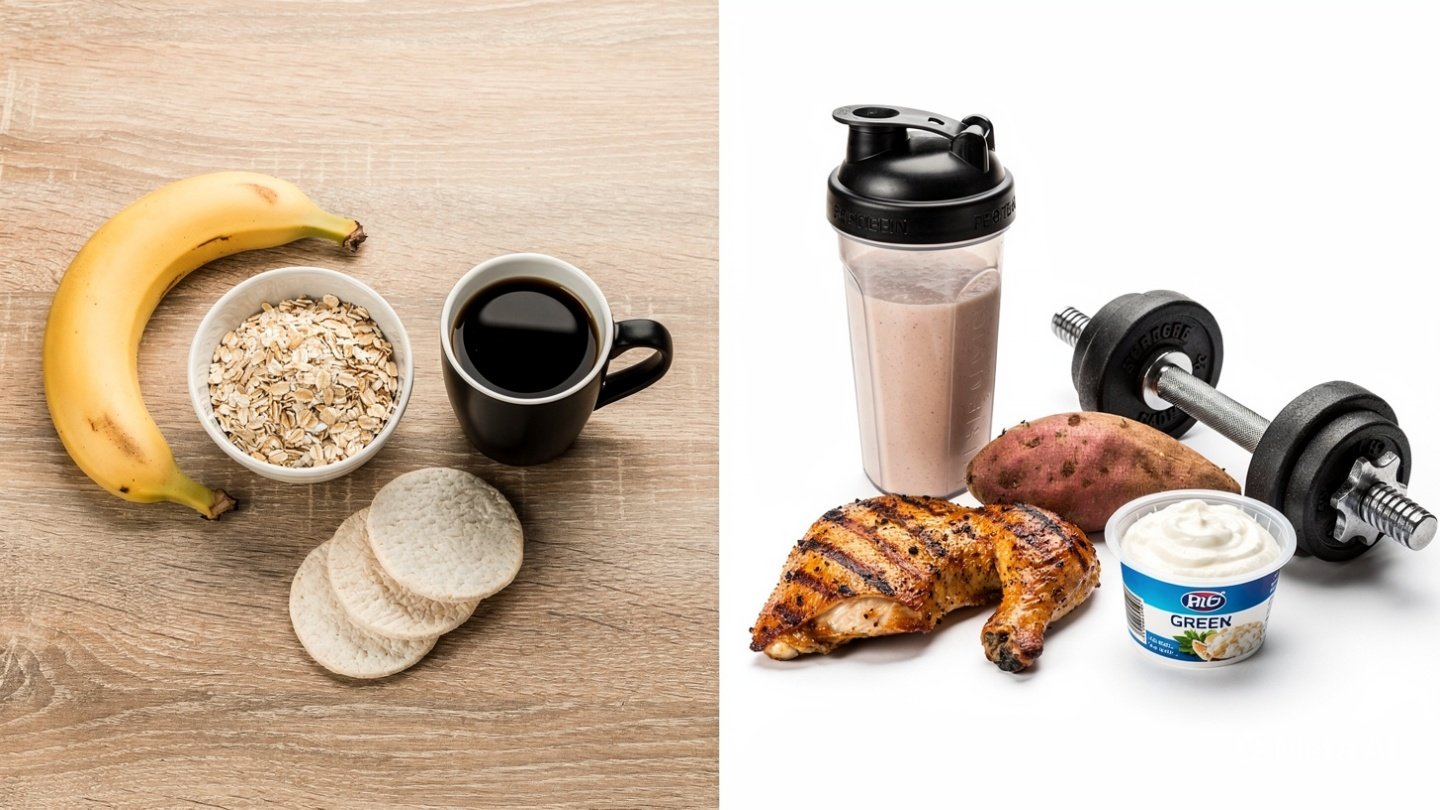
Protein-rich foods include:
- Chicken
- Fish
- Eggs
- Greek yogurt
- Lean beef
- Beans
- Cottage cheese
Nutrition for Fat Loss
Fat loss requires a calorie deficit.
Helpful strategies include:
- Eat fewer calories than you burn.
- Increase protein intake.
- Eat high-fiber foods.
- Limit sugary drinks and processed foods.
- Control portion sizes.
Healthy fat-loss foods include:
- Vegetables
- Fruits
- Whole grains
- Lean proteins
- Nuts and seeds
Exercise Strategies for Muscle Gain
Strength training should be the foundation of a muscle-building program.
Effective exercises include:
- Squats
- Deadlifts
- Bench press
- Pull-ups
- Shoulder press
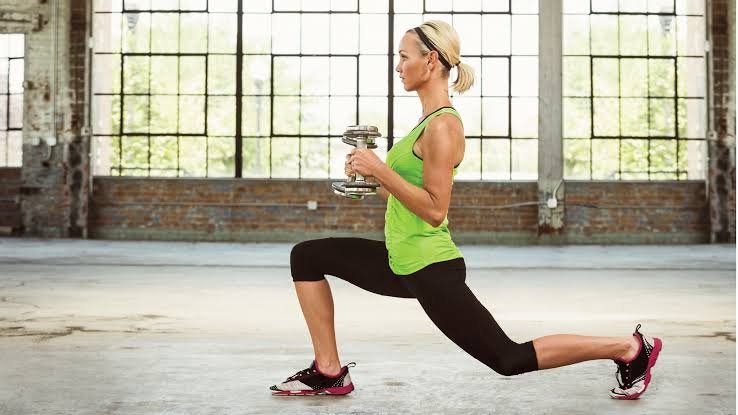
- Lunges
Training Tips for Muscle Growth
- Train three to five times per week.
- Increase weights gradually.
- Prioritize compound exercises.
- Get enough rest between sessions.
- Track your progress.
Consistency is the secret to long-term muscle growth.
Exercise Strategies for Fat Loss
The best fat-loss programs combine resistance training with cardiovascular exercise.
Good fat-burning activities include:
- Walking
- Running
- Cycling
- Swimming
- Jump rope
- High-intensity interval training
Why Strength Training Matters During Fat Loss
Many people think cardio is enough for weight loss, but strength training is equally important.
Benefits include:
- Preserving muscle mass
- Increasing calorie burn
- Improving body composition
- Enhancing metabolism
A combination of cardio and weight training usually produces the best results.
Muscle Gain vs Fat Loss: Key Differences
| Factor | Muscle Gain | Fat Loss |
|---|---|---|
| Calories | Surplus | Deficit |
| Main Goal | Build muscle | Reduce body fat |
| Training Focus | Strength training | Cardio and resistance training |
| Weight Changes | Often increases | Usually decreases |
| Nutrition | Higher calorie intake | Controlled calorie intake |
| Progress Speed | Gradual | Can be faster initially |
Understanding these differences helps you create realistic expectations.
Which Goal Is Better for Beginners?
The answer depends on your starting point.
Choose Fat Loss If:
- You are overweight.
- Your body fat percentage is high.
- Health improvement is your main goal.
Choose Muscle Gain If:
- You are naturally skinny.
- You want to become stronger.
- You have low body fat.
Consider Body Recomposition If:
- You are a beginner.
- You have moderate body fat levels.
- You want balanced progress.
There is no one-size-fits-all answer.
Common Mistakes to Avoid
Trying to Lose Fat Too Quickly
Extreme diets often lead to muscle loss and low energy levels.
Eating Too Much During Bulking
A large calorie surplus can result in unnecessary fat gain.
Ignoring Protein Intake
Protein is essential for both muscle gain and fat loss.
Skipping Strength Training
Resistance training should be part of every fitness program.
Being Inconsistent
Results take time. Consistency matters more than perfection.
How to Measure Progress
Do not rely only on the scale.
Track your progress by:
- Taking body measurements
- Using progress photos
- Monitoring strength levels
- Measuring body fat percentage
- Tracking how your clothes fit
These methods provide a more accurate picture of your transformation.
Sample Goals Based on Body Type
For Overweight Individuals
Goal: Fat loss.
Focus on:
- Calorie deficit
- Strength training
- Walking and cardio
- High-protein meals
For Skinny Individuals
Goal: Muscle gain.
Focus on:
- Calorie surplus
- Progressive strength training
- Protein-rich foods
- Adequate recovery
For Average Individuals
Goal: Body recomposition.
Focus on:
- Balanced nutrition
- Regular weight training
- Moderate cardio
- Consistent sleep schedule
Final Thoughts
Choosing between muscle gain and fat loss depends entirely on your current body composition, health goals, and personal preferences. Neither goal is better than the other. The best choice is the one that matches your needs and keeps you motivated.
If you carry excess body fat, focusing on fat loss can improve your health and make future muscle-building easier. If you’re naturally lean and want a stronger, more muscular body, muscle gain may be the right path.
No matter which goal you choose, success comes down to three things: consistent exercise, proper nutrition, and patience. Stay committed to the process, track your progress, and remember that lasting fitness results take time.