Struggling to shed those extra pounds despite spending hours at the gym? You’re not alone. Millions of people hit the gym every year with fat-loss goals — and most of them fail, not because they lack effort, but because they lack a strategic, science-backed workout plan. The truth is, losing weight quickly and sustainably isn’t about working harder — it’s about working smarter.
This guide breaks down everything you need to know: the best gym workouts for weight loss, how to structure your weekly training, nutrition habits that accelerate results, and the common mistakes you must avoid. Whether you’re a beginner or someone returning after a long break, this plan will help you burn fat, build lean muscle, and transform your body faster than you ever thought possible.
Why Your Workout Plan Is the Missing Piece
Most people approach the gym without a clear plan. They hop between machines, do a few sets here and there, and wonder why the scale isn’t moving. A structured gym workout plan for weight loss removes the guesswork and replaces it with purpose-driven sessions that maximize calorie burn, boost metabolism, and preserve lean muscle.
Research consistently shows that people who follow a planned workout routine lose significantly more fat than those who exercise randomly. A good plan also:
- Prevents overtraining and injury
- Tracks measurable progress
- Keeps your motivation high
- Combines cardio and strength training for optimal fat loss
The goal isn’t just to burn calories during your workout — it’s to turn your body into a fat-burning machine 24/7.
The Science Behind Rapid Fat Loss
Before diving into the workouts, it’s important to understand what actually drives weight loss. At its core, fat loss comes down to a caloric deficit — burning more calories than you consume. However, the type of exercise you do determines how much fat you lose versus how much muscle you retain.
Strength Training and Metabolism
Lifting weights builds lean muscle mass, and lean muscle burns more calories at rest than fat tissue. This means the more muscle you have, the higher your resting metabolic rate (RMR) — which means you’re torching calories even when you’re sleeping or sitting at your desk.
Studies show that strength training can elevate your metabolism for up to 72 hours after a session through a process called Excess Post-Exercise Oxygen Consumption (EPOC), commonly known as the “afterburn effect.”
Cardio and Calorie Burn
While strength training builds the engine, cardio fuels the fire. Cardiovascular exercise is one of the most effective tools for creating that necessary caloric deficit. The key is choosing the right type and intensity of cardio — not just logging endless hours on the treadmill.
Building Your Weekly Gym Workout Plan for Weight Loss
A well-rounded fat-loss training program combines resistance training, high-intensity cardio, and active recovery. Here’s a proven weekly structure:
Day 1 — Full Body Strength Training
Full-body sessions stimulate the most muscle groups simultaneously, burning more calories per session and triggering a stronger metabolic response.
Exercises:
- Barbell Squats — 4 sets × 10 reps
- Dumbbell Bench Press — 3 sets × 12 reps
- Bent-Over Barbell Rows — 3 sets × 10 reps
- Overhead Dumbbell Press — 3 sets × 12 reps
- Romanian Deadlifts — 3 sets × 10 reps
- Plank Hold — 3 × 45 seconds
Rest between sets: 60–90 seconds to keep your heart rate elevated.
Day 2 — High-Intensity Interval Training (HIIT)
HIIT is widely considered the most time-efficient cardio method for fat loss. It alternates between short bursts of maximum effort and brief recovery periods, keeping your metabolism elevated long after the session ends.
Sample 30-Minute HIIT Session:
- 5-minute warm-up (light jog or bike)
- 20 seconds sprint / 40 seconds rest × 10 rounds
- 2-minute active recovery
- 20 seconds burpees / 40 seconds rest × 8 rounds
- 5-minute cool-down
HIIT burns significantly more fat than steady-state cardio in less time, making it perfect for busy schedules.
Day 3 — Active Recovery
Active recovery keeps blood flowing to sore muscles, speeding up repair without taxing your central nervous system.
Options:
- 30–45 minutes of brisk walking
- Light yoga or stretching
- Swimming at a leisurely pace
Day 4 — Upper/Lower Split (Lower Body Focus)
Targeting your largest muscle groups — glutes, quads, and hamstrings — burns a tremendous number of calories and shapes the lower body.
Exercises:
- Leg Press — 4 sets × 12 reps
- Walking Lunges — 3 sets × 15 reps per leg
- Leg Curls (machine) — 3 sets × 12 reps
- Goblet Squats — 3 sets × 15 reps
- Calf Raises — 4 sets × 20 reps
- Cable Crunches — 3 sets × 15 reps
Day 5 — Moderate Steady-State Cardio
Not every session needs to be intense. Steady-state cardio at 60–70% of your max heart rate is an excellent fat-burning zone, particularly effective for those who are newer to training or recovering from intense sessions.
Options (40–50 minutes):
- Incline treadmill walk
- Elliptical machine
- Stationary cycling
Day 6 — Upper Body Strength + Core
Exercises:
- Pull-Ups or Lat Pulldowns — 4 sets × 10 reps
- Dumbbell Shoulder Press — 3 sets × 12 reps
- Incline Dumbbell Flyes — 3 sets × 12 reps
- Seated Cable Rows — 3 sets × 10 reps
- Tricep Dips — 3 sets × 12 reps
- Hanging Leg Raises — 3 sets × 15 reps
Day 7 — Rest
Rest is not optional — it’s essential. Muscle repair happens during rest, not during training. Skipping rest days leads to overtraining, injury, and actually slower fat loss due to elevated cortisol levels.
Nutrition Habits That Supercharge Your Results
No workout plan works in isolation. What you eat directly determines how fast you lose weight. You don’t need a complicated diet — just smart, consistent choices.
Prioritize Protein at Every Meal
Protein is the cornerstone of any fat-loss diet. It preserves lean muscle mass during a caloric deficit, keeps you full longer, and has the highest thermic effect of any macronutrient — meaning your body burns more calories just digesting it.
Aim for: 0.7–1 gram of protein per pound of body weight daily.
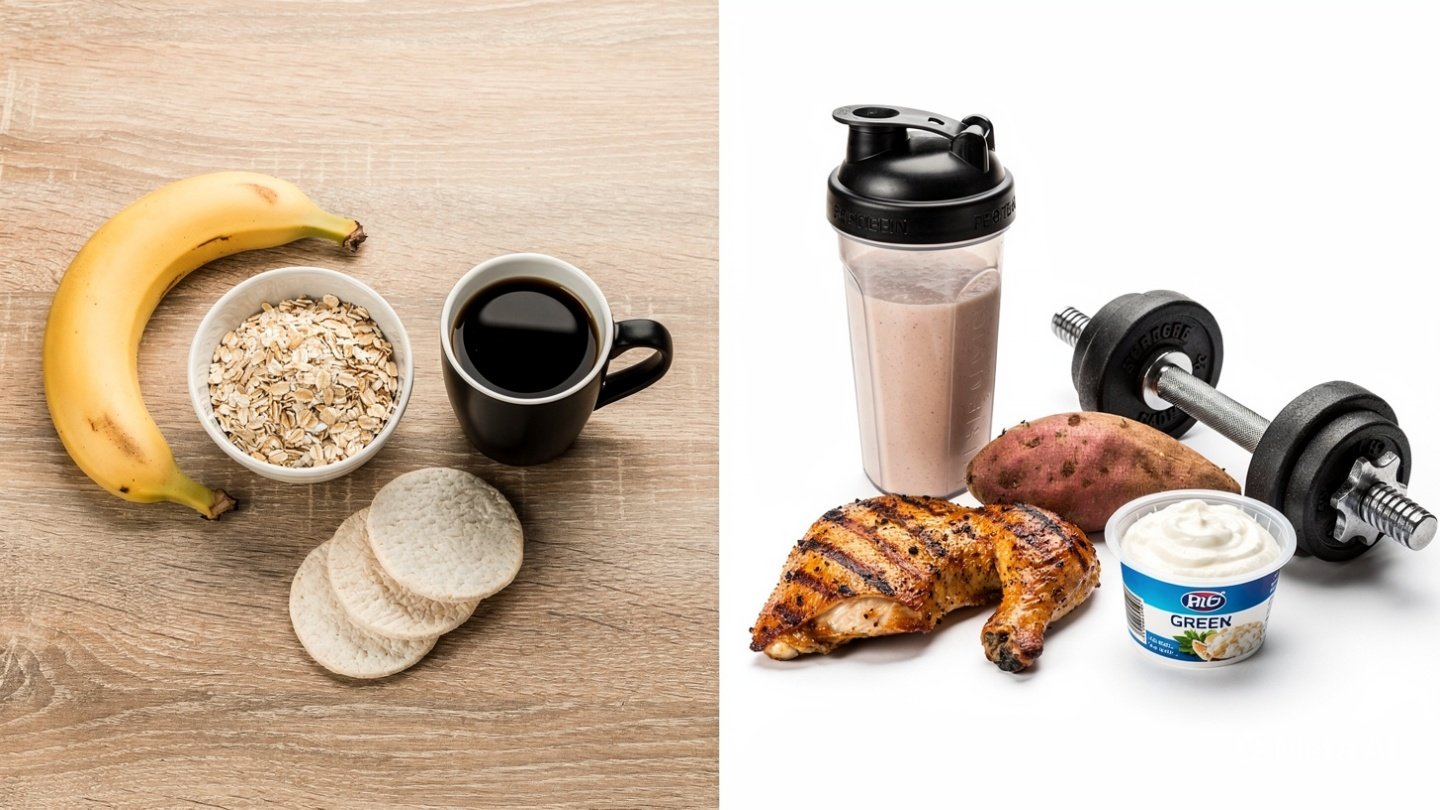
Best sources: Chicken breast, eggs, Greek yogurt, cottage cheese, fish, lean beef, legumes, and whey protein.
Don’t Fear Carbohydrates
Carbs are not the enemy. Complex carbohydrates fuel your workouts and support recovery. The key is timing and quality.
- Eat carbs around your workouts (pre and post-training)
- Choose whole grains, oats, sweet potatoes, and fruits over processed options
- Avoid refined sugars and white flour products
Healthy Fats Support Fat Loss
Counterintuitively, eating healthy fats helps you lose body fat. They regulate hormones like testosterone and estrogen, which play a direct role in fat metabolism.
Include: Avocados, olive oil, nuts, seeds, and fatty fish like salmon.
Hydration Is Non-Negotiable
Dehydration slows your metabolism and impairs performance. Drink at least 3–4 liters of water per day, more on training days. Start every morning with 500ml of water before anything else.
Common Gym Mistakes That Sabotage Weight Loss
Even with the right plan, these mistakes can stall your progress:
- Skipping warm-ups — increases injury risk and reduces performance
- Doing only cardio — without strength training, you’ll lose muscle along with fat
- Not tracking food intake — even healthy food causes weight gain in excess
- Inconsistency — results come from showing up week after week, not from occasional intense sessions
- Relying on the scale alone — body composition improvements may not show on the scale immediately; use measurements and photos as well
- Not sleeping enough — poor sleep elevates ghrelin (hunger hormone) and decreases leptin (satiety hormone), making fat loss nearly impossible
Tracking Progress and Staying Motivated
Progress can feel slow, especially in the first few weeks. Here’s how to stay on track:
- Take weekly progress photos from the same angle and lighting
- Measure key areas — waist, hips, chest, arms — every two weeks
- Keep a workout journal to track weights, reps, and how you feel
- Set short-term milestones rather than fixating on a distant end goal
- Find a gym partner or coach — accountability dramatically increases adherence
Final Thoughts
Losing weight quickly with the right gym workout plan is absolutely achievable — but only with the right combination of structured resistance training, strategic cardio, proper nutrition, and consistent recovery. There are no shortcuts, but there is a smart path forward.
Commit to this plan for 8–12 weeks, stay honest with your nutrition, rest when needed, and track your progress. The results will speak for themselves. Your transformation starts the moment you stop winging it and start following a plan built for results.
Start today. Not Monday. Today.