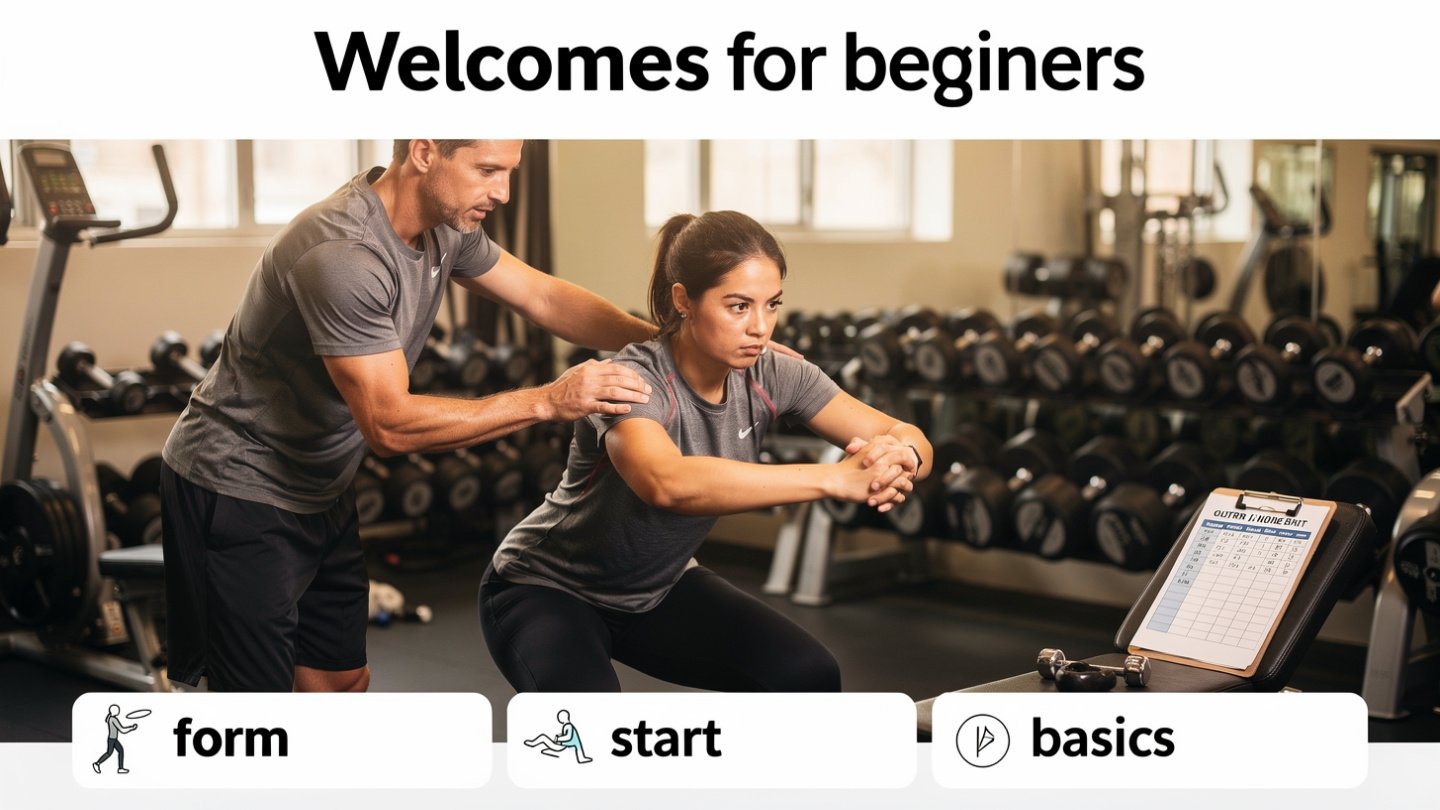
Starting a fitness journey can feel overwhelming, especially when you’re new to the gym and unsure where to begin. With so much information available online, many beginners struggle to create a workout plan that actually works. The good news is that getting fit and building strength doesn’t have to be complicated.
Fitness and weight training are among the most effective ways to improve your physical health, increase energy levels, and build confidence. Whether your goal is to lose weight, gain muscle, or simply become healthier, understanding the basics will help you stay motivated and avoid common mistakes.
This beginner’s guide covers everything you need to know to start your fitness journey the right way.
Why Fitness and Weight Training Matter
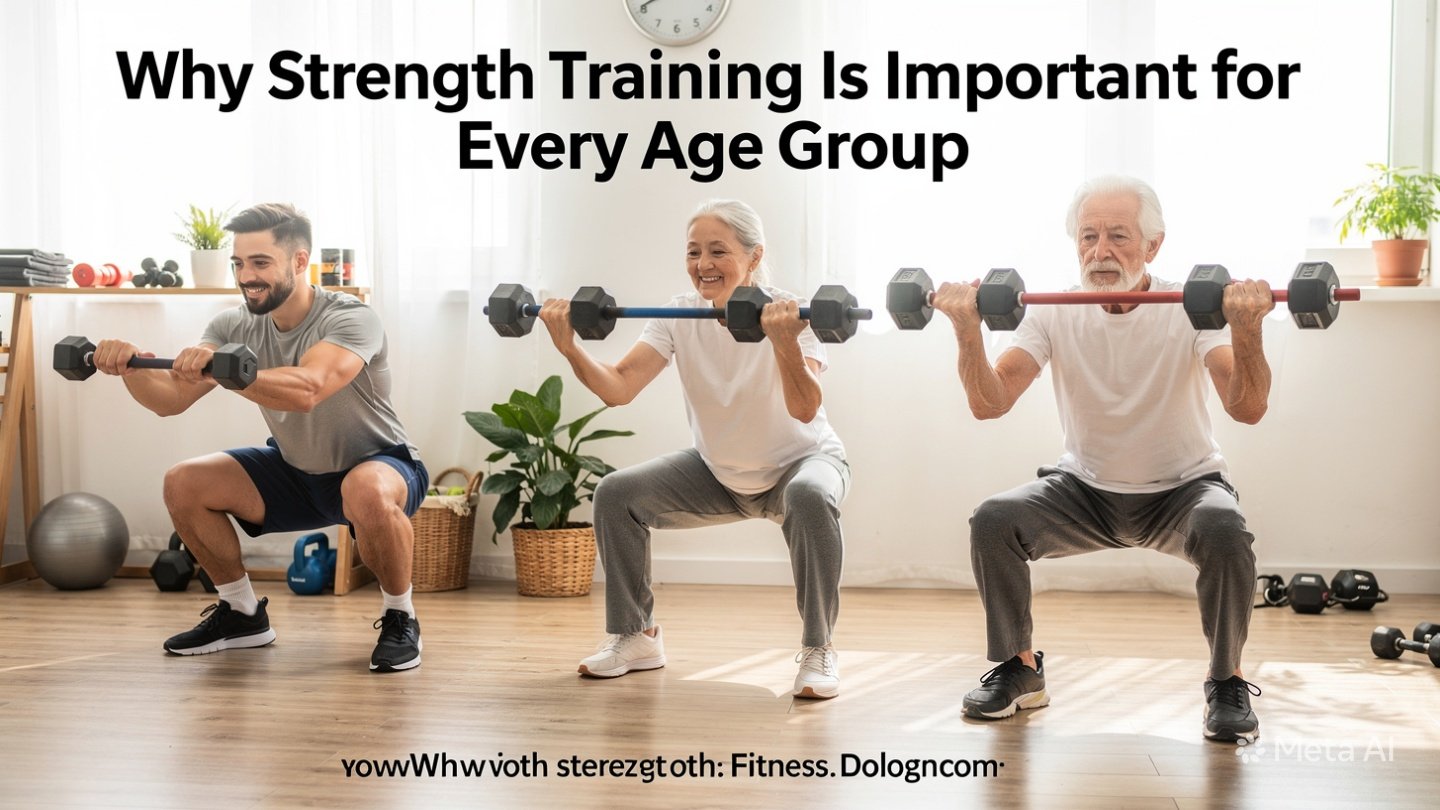
Regular exercise offers countless benefits for both your body and mind. Weight training, also known as strength training, is not just for bodybuilders. It is suitable for people of all ages and fitness levels.
Some major benefits include:
- Builds lean muscle mass
- Helps burn body fat
- Improves heart health
- Increases strength and endurance
- Improves posture and flexibility
- Boosts confidence and mental health
- Enhances metabolism
- Strengthens bones and joints
Exercise also reduces the risk of chronic illnesses such as obesity, diabetes, and high blood pressure.
Understanding the Basics of Weight Training
Weight training involves using resistance to challenge your muscles. This resistance can come from:
- Dumbbells
- Barbells
- Resistance bands
- Machines
- Your own body weight
When your muscles are challenged, tiny tears occur in the muscle fibers. During recovery, your body repairs these fibers, making them stronger and bigger.
This process is known as muscle growth or hypertrophy.
Setting Realistic Fitness Goals
Before starting, decide what you want to achieve. Having clear goals keeps you motivated and helps you measure progress.
Common fitness goals include:
Weight Loss
Focus on burning calories and maintaining a healthy diet.
Muscle Building
Prioritize strength training and increase protein intake.
Improving Overall Fitness
Combine cardio, flexibility training, and resistance exercises.
Increasing Strength
Gradually lift heavier weights over time.
Write your goals down and track your progress every few weeks.
Essential Gym Equipment for Beginners
Walking into a gym for the first time can be intimidating. Understanding basic equipment can make your workouts more comfortable.
Dumbbells
Perfect for beginners because they improve balance and coordination.
Barbells
Great for building overall strength and lifting heavier weights.
Resistance Machines
Easy to use and ideal for learning proper exercise techniques.
Resistance Bands
Affordable and excellent for home workouts.
Exercise Mats
Useful for stretching and bodyweight exercises.
You don’t need every piece of equipment to get started. Begin with simple exercises and gradually expand your routine.
The Importance of Warming Up
Many beginners skip warm-ups, but this is a mistake.
A proper warm-up:
- Increases blood flow
- Reduces injury risk
- Improves flexibility
- Prepares your muscles for exercise
Spend five to ten minutes doing:
- Light jogging
- Jumping jacks
- Arm circles
- Dynamic stretches
A warm body performs better and recovers faster.
Basic Exercises Every Beginner Should Learn
The best workout programs focus on compound exercises that train multiple muscle groups at once.
Squats
Squats strengthen your:
- Legs
- Glutes
- Core
Push-Ups
Push-ups target:
- Chest
- Shoulders
- Triceps
Deadlifts
Deadlifts improve:
- Back strength
- Leg power
- Core stability
Planks
Planks strengthen the entire core and improve posture.
Lunges
Lunges build leg strength and improve balance.
Dumbbell Rows
These exercises strengthen the upper back and arms.
Mastering these movements creates a strong foundation for future progress.
Creating a Beginner Workout Plan
A simple workout routine works best for beginners.
Day 1 – Upper Body
- Push-ups – 3 sets
- Dumbbell rows – 3 sets
- Shoulder presses – 3 sets
- Bicep curls – 3 sets
Day 2 – Lower Body
- Squats – 3 sets
- Lunges – 3 sets
- Calf raises – 3 sets
- Glute bridges – 3 sets
Day 3 – Full Body
- Deadlifts – 3 sets
- Planks – 3 sets
- Jumping jacks – 3 sets
- Bodyweight squats – 3 sets
Rest for one day between workouts to allow your muscles to recover.
Understanding Sets and Repetitions
Beginners often hear terms like “sets” and “reps.”
- Repetition (Rep): One complete movement of an exercise.
- Set: A group of repetitions.
For example:
10 squats = 10 reps.
Three rounds of 10 squats = 3 sets.
A good starting point is:
- 8 to 12 repetitions
- 3 sets per exercise
The Importance of Proper Form
Lifting heavier weights with poor technique can lead to injuries.
Focus on:
- Controlled movements
- Correct posture
- Full range of motion
- Slow progression
Remember, proper form is more important than lifting heavy weights.
Progressive Overload: The Secret to Results
Your body adapts to exercise over time. To keep improving, you need to challenge your muscles.
This is called progressive overload.
Ways to apply progressive overload:
- Increase the weight
- Perform more repetitions
- Add extra sets
- Reduce rest periods
- Improve exercise intensity
Small improvements each week lead to significant long-term results.
Nutrition for Fitness and Muscle Growth
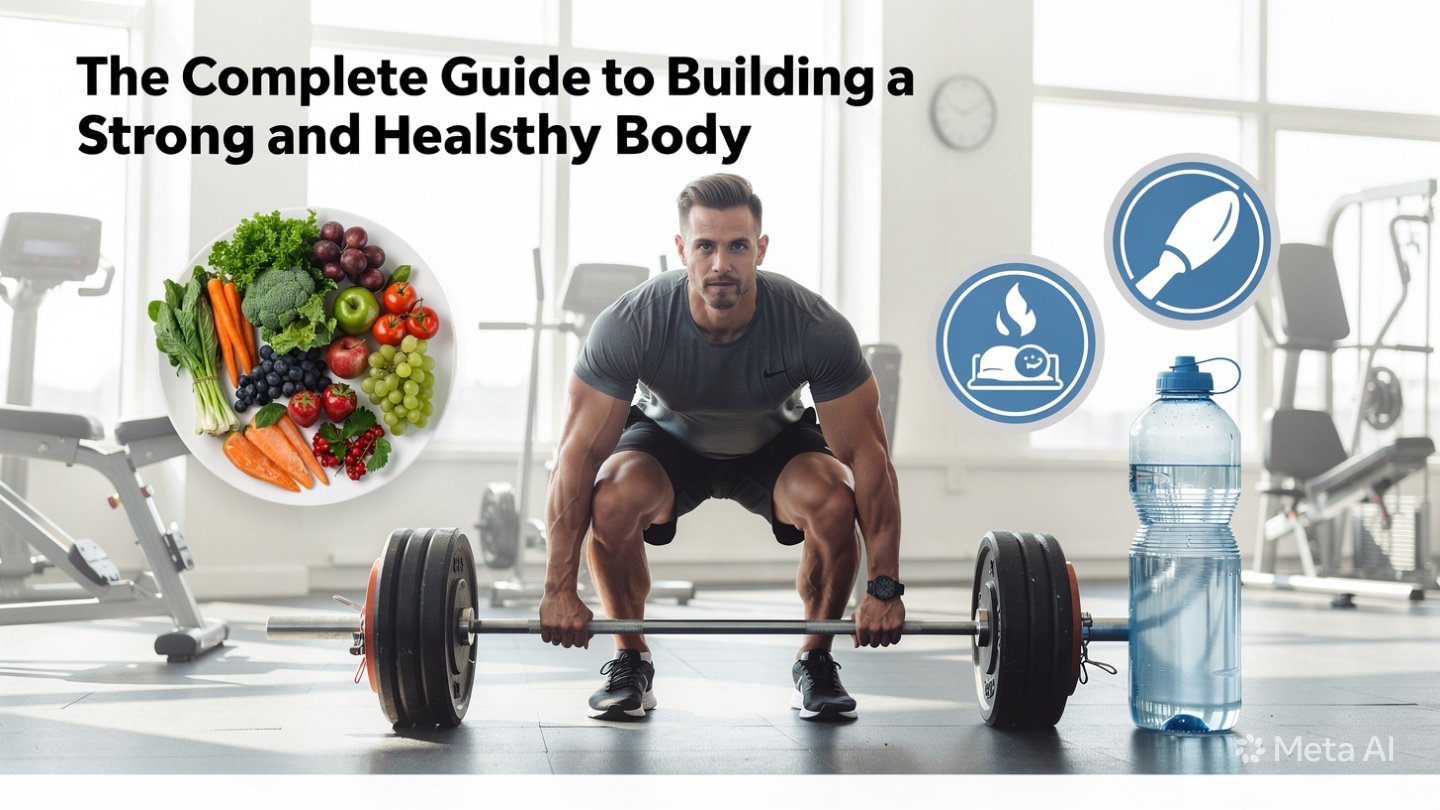
Exercise alone is not enough. Your nutrition plays a huge role in achieving your fitness goals.
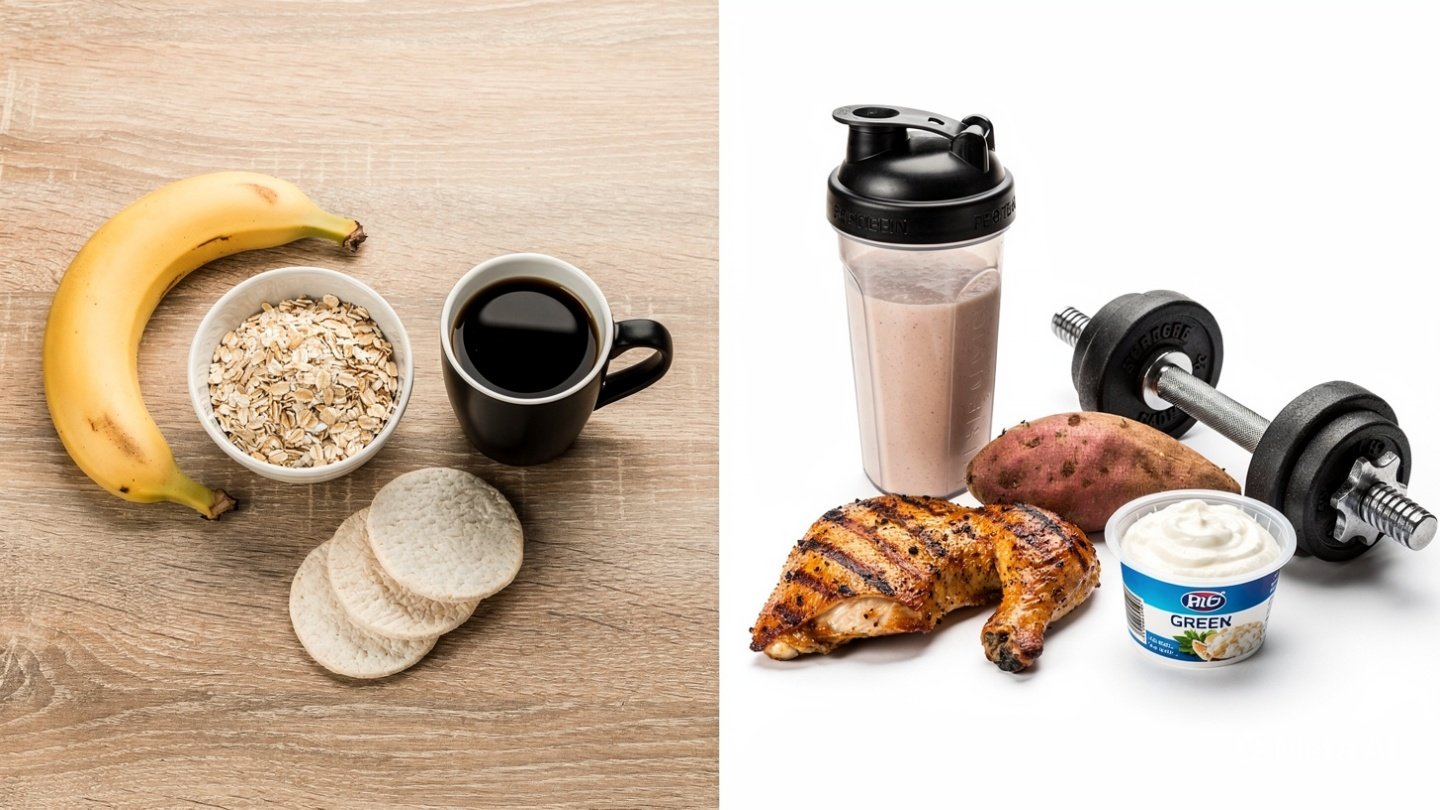
Eat Enough Protein
Protein helps repair and build muscles.
Good protein sources include:
- Eggs
- Chicken
- Fish
- Lean beef
- Greek yogurt
- Beans
- Cottage cheese
Eat Healthy Carbohydrates
Carbohydrates provide energy for workouts.
Healthy choices include:
- Brown rice
- Oats
- Sweet potatoes
- Fruits
- Whole grains
Include Healthy Fats
Healthy fats support hormone production.
Examples:
- Nuts
- Avocados
- Olive oil
- Seeds
Stay Hydrated
Drink plenty of water throughout the day to improve performance and recovery.
Why Recovery Is Essential
Many beginners think exercising every day produces faster results. In reality, muscles grow during recovery.
Recovery tips:
- Sleep 7–9 hours per night.
- Take rest days.
- Stretch after workouts.
- Stay hydrated.
- Eat nutritious foods.
Proper recovery prevents burnout and reduces injury risk.
Common Beginner Mistakes to Avoid
Doing Too Much Too Soon
Start slowly and increase intensity gradually.
Ignoring Nutrition
Poor eating habits can slow your progress.
Skipping Warm-Ups
Always prepare your body before exercising.
Comparing Yourself to Others
Everyone progresses at a different pace.
Being Inconsistent
Consistency is the key to long-term success.
Staying Motivated on Your Fitness Journey
Building healthy habits takes time. Staying motivated can sometimes be challenging.
Ways to stay consistent:
- Set small goals.
- Track your progress.
- Take progress photos.
- Celebrate small victories.
- Find a workout partner.
- Create a schedule and stick to it.
Remember that fitness is a lifestyle, not a short-term challenge.
Sample Weekly Beginner Fitness Schedule
Monday: Upper body workout
Tuesday: Walking or light cardio
Wednesday: Lower body workout
Thursday: Rest
Friday: Full body workout
Saturday: Stretching or yoga
Sunday: Complete rest
This balanced schedule helps you build strength while allowing enough recovery time.
Final Thoughts
Starting a fitness and weight training journey can seem difficult at first, but every expert was once a beginner. The key to success is learning the basics, staying consistent, and focusing on gradual improvement.
You don’t need expensive equipment or advanced workout routines to transform your health. By combining regular strength training, proper nutrition, and adequate rest, you can build a stronger, healthier, and more confident version of yourself.
Start small, stay patient, and trust the process. The results you want will come with time, dedication, and consistency.